SUMMARY
As the smallest and one of the most recently evolved marine mammals, sea otters face physiological challenges rarely encountered by larger, more derived aquatic species. To examine the effect of these challenges on foraging costs and resultant daily energy budgets, we measured the energetics of resting, grooming, diving and foraging for adult, male sea otters. The energy expended for these different behaviors as determined from open flow respirometry was then standardized across activity budgets measured for wild sea otters to estimate field metabolic rates (FMR). We found that the metabolic rate of captive otters performing single dives ranging in duration from 40 to 192 s was 17.6±0.5 ml O2 kg–1min–1 and only 1.3 times resting rates. This rate increased significantly if the animals foraged during submergence. The cost of a foraging dive for sea otters was nearly twice that predicted for phocid seals,which was attributed in part to elevated locomotor costs associated with buoyancy and swimming style. Our behavioral studies indicate that wild sea otters spend the greatest proportion of the day feeding and resting, with the largest daily energy expenditure (6.1±1.1 MJ day–1)associated with foraging. The resulting mean FMR for wild sea otters based on the energy expended for all behaviors was 15.7±2.7 MJ day–1 and matched predicted FMR values based upon a regression of known FMR values for other marine mammals across a range of body sizes. This was achieved by counterbalancing elevated foraging costs with prolonged periods of rest on the water surface.
Introduction
Among mammals, sea otters represent one of the most recent lineages to re-enter the marine environment (Berta and Sumich, 1999). Whereas pinnipeds and cetaceans have maintained aquatic lifestyles for over 50–60 million years, sea otters have been fully aquatic for only 1–3 million years. A consequence of these different evolutionary histories is that sea otters appear to lack some of the more derived adaptations equated with a fully aquatic lifestyle typical of cetaceans and pinnipeds. Such adaptations include insulation in the form of blubber that can also act as an energy store, a well-developed dive response that facilitates oxygen conservation when submerged(Kooyman, 1989),counter-current heat exchangers to retain and dissipate heat through thermal windows (Williams and Worthy, 2002), and enhanced water conserving mechanisms,e.g. complex nasal turbinates (Huntley et al., 1984), reniculated kidneys (Williams and Worthy, 2002). Of these, only the latter two are known for sea otters. In view of this, it is reasonable to presume that marine living may be more energetically challenging for sea otters in comparison to other marine mammal species.
This challenge is especially apparent when evaluating the allocation of energy and the cost of various behaviors performed by sea otters. For example,sea otters exhibit comparatively high resting metabolic rates that range from 2.8 to 3.2 times the levels predicted for a terrestrial mammal of similar size(Iverson, 1972; Morrison et al., 1974; Costa, 1978; Costa and Kooyman, 1982). Although marine mammals generally exhibit higher resting metabolic rates than do terrestrial mammals (Costa and Williams, 1999), even within this group the sea otter represents an extreme. Weddell seals Leptonychotes weddellii(Williams et al., 2004b), grey seals Halichoerus grypus(Sparling and Fedak, 2004),bottlenose dolphins Tursiops truncatus(Williams et al., 2001) and California sea lions Zalophus californianus(Hurley and Costa, 2001)demonstrate resting metabolic rates that average 1.5–2.0 times the levels predicted by Kleiber (Kleiber,1975) for terrestrial mammals. This difference between predicted and measured rates is approximately half that observed for the sea otter.
Likewise, thermoregulatory costs are comparatively high for the sea otter and are influenced by body size and a terrestrial form of insulation. In general, the magnitude of heat transfer depends upon the surface area-to-volume ratio of the animal, the gradient between core temperature and environmental temperature, and the insulating barrier between the body core and surrounding environment (Dejours,1987). Compared to larger marine mammals, sea otters have a higher surface area from which to lose heat relative to the tissue volume from which to produce or retain heat. Furthermore, unlike other marine mammals that rely on a thick, internalized blubber layer for insulation, sea otters prevent excessive heat loss to the water through an air layer trapped against the skin by an exceptionally dense fur covering(Tarasoff, 1974; Williams et al., 1992). A potential disadvantage of this form of insulation is compression of the air layer as the otter dives, thereby reducing the insulating quality of fur at depth when the animal forages. Together these features result in elevated thermal energetic costs for sea otters that must be compensated for by activity, shivering or by the heat produced during the processing of food(Costa and Kooyman, 1984).
It follows that sea otters must consume a comparatively large amount of food to meet these elevated energetic demands. Typically, sea otters ingest 20–25% of their body mass in prey items per day(Kenyon, 1969; Costa and Kooyman, 1982)spending 23–50% of the day foraging(Estes et al., 1986; Ralls and Siniff, 1990; Tinker, 2004). In comparison,similarly sized carnivorous terrestrial mammals and larger marine mammals routinely consume 5–14% of their body mass in food each day spending as little as 14% of the day hunting(Schaller, 1972; Shane et al., 1986; Gorman et al., 1998; Williams et al., 2004b).
Although the necessity for elevated feeding rates in sea otters has been recognized (Kenyon, 1969; Costa and Kooyman, 1982), few studies have addressed the energetic costs associated with maintaining such high rates of food intake. Neither the cost of individual dives nor the metabolic rates resulting from prolonged foraging sessions by sea otters has been determined. Furthermore, potential oxygen conserving mechanisms characteristic of other foraging marine mammals have not been investigated. In view of this lack of information and the importance of foraging costs in daily activity and energy budgets (Stephens and Krebs, 1986), we measured the energetic cost of diving and foraging in adult male sea otters. The relative contribution of costs associated with capturing, consuming and assimilating different types of prey was determined. These data were then compared to the energy expended for resting, grooming and swimming by this mammal. By combining the energetic costs for these different behaviors with an activity budget for wild sea otters, we then calculated a field metabolic rate for free-ranging otters that was compared to values reported for other marine-living mammals.
Materials and methods
Study design
This study combined data obtained from both captive and free-ranging sea otters Enhydra lutris Linnaeus 1758. All metabolic measurements,including assessment of aerobic and anaerobic diving costs, were conducted on captive otters at Long Marine Laboratory (University of California at Santa Cruz) from January 2002 to April 2006. Field observations, which were conducted along the central coast of California between March 2001 and July 2003, were designed to evaluate the activity patterns and routine diving parameters (dive frequency and duration) of wild sea otters under free-ranging conditions. All measurements on wild otters were obtained near Point Piedras Blancas. This area of coastline is characterized by dense but patchy kelp forests, strong seasonal upwelling and diverse benthic invertebrate species. The sea otter population in this area has been established since the late 1950s and individuals feed close to shore on sub-tidal and inter-tidal invertebrates (Riedman and Estes,1991) enabling foraging patterns and activity budgets to be determined visually. Water temperature along the coast ranges from 10°C to 19°C seasonally.
Captive studies
Animals
Two adult, male sea otters were used for the metabolic trials(Table 1). Both animals had been in captivity for 1 year prior to training and experimental measurements,and were maintained in outdoor fiberglass holding pools (4.2 m×1.2 m or 6 m×1.5 m; diameter × depth). Fresh seawater was continuously added at a minimum of 227 l min–1. Water temperature varied with ambient ocean temperature along the coast. The captive animals were fed a mixed diet of commercially obtained frozen squid (Loligo opalescens),surf clam (Spisula solidissima), cod (Macruronus novaelandiae) and tiger prawns (Panaeus vannamei) presented in 4–7 meals per day. Diets were supplemented with commercially available live cancer crabs (Cancer spp.), mussels (Mytilus edulis)and clams (Spissula spp). Animals were weighed weekly to the nearest 0.1 kg using a platform scale (Arlyn 320D, Rockaway, NY, USA).
| Otter | Capture date | Mass (kg) | Length (cm) |
|---|---|---|---|
| Wild otters | |||
| 6-183 | 4/12/2001 | 25.3 | 123 |
| 6-259 | 5/08/2001 | 30.0 | 123 |
| 6-298 | 5/09/2001 | 29.0 | 132 |
| 6-458 | 3/20/2002 | - | - |
| 6-531 | 3/21/2002 | - | - |
| 6-544 | 3/02/2002 | 30.6 | 126 |
| 7-604 | 10/8/2002 | 24.8 | 123 |
| 7-616 | 10/8/2002 | 22.0 | 116 |
| 7-664 | 10/6/2002 | 26.6 | 127 |
| 7-682 | 10/9/2002 | 32.8 | 123 |
| 7-717 | 10/9/2002 | 28.5 | 128 |
| Mean ± s.d. | 27.7±3.3 | 124.6±4.4 | |
| Captive otters | |||
| 115 | - | 28.7±0.1 | 131 |
| 180 | - | 25.9±0.9 | 129 |
| Otter | Capture date | Mass (kg) | Length (cm) |
|---|---|---|---|
| Wild otters | |||
| 6-183 | 4/12/2001 | 25.3 | 123 |
| 6-259 | 5/08/2001 | 30.0 | 123 |
| 6-298 | 5/09/2001 | 29.0 | 132 |
| 6-458 | 3/20/2002 | - | - |
| 6-531 | 3/21/2002 | - | - |
| 6-544 | 3/02/2002 | 30.6 | 126 |
| 7-604 | 10/8/2002 | 24.8 | 123 |
| 7-616 | 10/8/2002 | 22.0 | 116 |
| 7-664 | 10/6/2002 | 26.6 | 127 |
| 7-682 | 10/9/2002 | 32.8 | 123 |
| 7-717 | 10/9/2002 | 28.5 | 128 |
| Mean ± s.d. | 27.7±3.3 | 124.6±4.4 | |
| Captive otters | |||
| 115 | - | 28.7±0.1 | 131 |
| 180 | - | 25.9±0.9 | 129 |
All animals were adult males and originated from the central California coast. Morphometric measurements for wild otters only occurred on the day of capture. Because body mass was monitored throughout the study for captive otters, mean values ± 1 s.d. are provided
Oxygen consumption and energetic costs
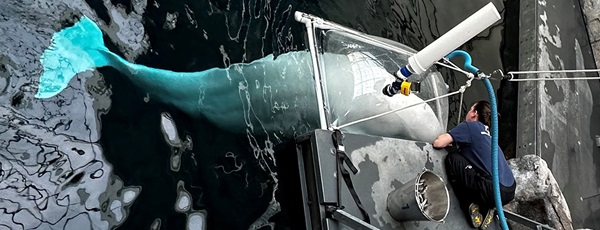
Energetic costs of different activities were determined from measurements of oxygen consumption by the captive otters. Both animals were trained over a period of 12 months to rest or make voluntary dives and then surface beneath a clear acrylic dome (1.3 m×0.7 m×0.5 m; length × width× peak height) that floated on the water. All measurements followed the methods of Williams et al. (Williams et al., 2004b) using an open-flow respirometry system for aquatic mammals. Air was pulled through the dome at a rate of 180–190 l min–1 by a mass flow controller (Flow kit 500H, Sable Systems, Henderson, NV, USA). Sub-samples of dome exhaust were drawn through a series of three columns filled with a desiccant (Drierite, W. A. Hammond Drierite, Xenia, OH, USA) and a CO2 scrubber (Baralyme, Chemetron Medical Division, Allied Healthcare Products, St Louis, MO, USA) at a rate of 500 ml min–1 before entering an oxygen analyzer (model FC1-B,Sable Systems). The air flow was adjusted so that the oxygen content of the dome remained above 20.10% for all trials. Oxygen content of the dome exhaust was logged every 2.0 s on a laptop computer. Flow rates were corrected to STPD prior to calculating the rate of oxygen consumption using equation 4b from Withers (Withers, 1977).
Oxygen consumption of the otters was determined under four conditions: (1)resting quietly on the water surface, (2) grooming, (3) following serial foraging dives, and (4) following single non-foraging dives. The animals were post-absorptive (by fasting overnight) during the resting and single dive trials, and post-prandial for all other metabolic tests to simulate energetic status in the wild. For resting measurements, the otters floated beneath the metabolic dome in shallow holding pools. The lowest oxygen consumption measured over a continuous 5 min period during 10–20 min trials was used.
Foraging costs were determined by measuring oxygen consumption following prey-searching dives. Foraging trials were conducted in a 9.1 m deep, 4 m diameter seawater storage tower with the metabolic dome sealed on the surface of the water. To facilitate viewing otter behavior during submergence, four underwater video cameras (Lorex model CVC-699, Strategic Vista International Inc., Markham, Ontario, Canada) were mounted inside the tank. A rocky substrate and 3–5 kg of live crabs (Cancer spp.), live mussels(Mytilus edulis) or 1.0–1.4 kg of the otters' mixed diet(commercial squid, surf clams, tiger prawns and cod) were added to the bottom of the tank to simulate foraging conditions in the wild. On each test day an otter was placed in the tank and allowed to forage by making repeated dives to the bottom to collect prey items. Following collection of the food items the otters surfaced beneath the metabolic dome while handling and consuming prey. The duration of foraging trials was determined by the otter and ranged from 60–145 min. Oxygen consumption during grooming, which included vigorous rubbing and pleating of the fur, was recorded opportunistically during the inter-dive periods of the foraging trials.
In addition to the serial foraging dives, one otter (no. 180) was trained to perform single non-foraging dives and then rest under the metabolic dome upon surfacing. The resulting values for oxygen consumption rate(V̇O2) were used to assess locomotor costs associated with diving. During these trials, the otter dove to a target at the bottom of the tank at 9.1 m and remained at depth until receiving the signal to return and surface beneath the metabolic dome. Upon returning, the otter rested beneath the dome and was rewarded with small pieces of food, which required minimal handling and totaled less than 0.3 kg over a 10–20-min period while the post-dive oxygen consumption was monitored.
Oxygen consumption rate was calculated using DATACAN V (Sable Systems International, Henderson, NV, USA) by summing the amount of oxygen used during a specific behavior (i.e. resting, grooming) divided by the duration of the behavior. For foraging trials, metabolic rate was calculated by summing the amount of oxygen used during the entire foraging bout (including diving,post-dive recovery, prey manipulation and consumption of prey items) divided by the duration of the bout. Single dive metabolic rates were calculated according to Castellini et al. (Castellini et al., 1992) by summing the amount of oxygen used during the post-dive recovery period and dividing by the duration of recovery. The end of the recovery period was defined as the point in time when V̇O2 returned to within 10% of resting values. To evaluate locomotor costs (the amount of oxygen consumed for performing a single dive), maintenance costs (measured as resting metabolic rate) that were incurred during the dive and subsequent recovery period were subtracted from the total oxygen consumed during recovery assuming that maintenance costs remained constant throughout the dive(Scholander, 1940; Hurley and Costa, 2001). An observer with a stopwatch recorded surface and sub-surface intervals for all metabolic trials.
Plasma lactate concentration
To assess potential anaerobic contributions to diving metabolism, plasma lactate concentration was measured for resting and diving sea otters. Prior to the tests, the animals were trained to enter a protected contact box specifically designed for blood sampling. The otter rested dorsally recumbent while a clear acrylic door was partially lowered, leaving the caudal third of the otter's body exposed. Blood samples were drawn from the popliteal vein(approximately 1 cm from the femoral condyles) using a 22-gauge needle and a 12-ml syringe while the otter rested inside of the box. On different days, the same procedure was performed immediately following 9.1-m dives in the water tower that varied in duration. Blood samples were transferred to sterile tubes(Becton Dickinson Vacutainer, Franklin Lakes, NJ, USA) containing a glycolytic inhibitor (sodium fluoride and potassium oxalate) for plasma lactate concentration analysis. The samples were immediately refrigerated until further processing (<15 min post blood draw). Each vial was centrifuged for 10 min (2500 r.p.m.) and the plasma transferred to a new sterile tube. Sub-samples were immediately shipped overnight on cold packs to the University of California, San Diego, USA (Comparative Neuromuscular Laboratory) for determination of plasma lactate concentration (using a YSI Sport 1500, Yellow Springs, OH, USA).
Field studies
Animals
Eleven free-ranging, adult male otters were used in assessments of daily activity budgets in the wild (Table 1). The otters were captured and tagged along the San Simeon (CA,USA) coastline between March 2001 and October 2002. Each otter was captured by re-breather equipped SCUBA divers using Wilson Traps(Ames et al., 1986), and transported to mobile veterinary surgical facilities onshore.
The otters were weighed to the nearest 0.1 kg using a platform scale (Arlyn 320D, Rockaway, NY, USA) and sedated for implantation of a radio tag. Anesthesia was induced using an intramuscular injection of fentanyl(Elkins-Sinn, Cherry Hill, NJ, USA; 0.5–0.11 mg kg–1body mass) in combination with diazepam (Abbot Laboratories, North Chicago,USA; 0.010–0.053 mg kg–1). Anesthesia was maintained with an isoflourane gas and oxygen mixture(Williams and Siniff, 1983; Monson et al., 2001). The otters were surgically implanted with an intra-abdominal VHF radio transmitter(7.6 cm×10.2 cm×2.5 cm, ∼120 g; Advanced Telemetry Systems Inc., Isanti, MN, USA) following standardized procedures(Williams and Siniff, 1983; Monson et al., 2001). The transmitters were allowed to float freely in the abdominal cavity and provided consistent signals for 1–3 years.
For identification in the field, colored plastic tags (Temple Tags, Temple,TX, USA) were attached into the webbing of the hind flippers and a passive integrated transponder (PIT) chip was inserted under the skin of the right inguinal area. At the completion of all procedures, an intramuscular injection of naltrexone (Wildlife Pharmaceuticals, Fort Collins, CO, USA; 0.053 mg ml–1) was given as an antagonist to ensure that the animals were alert prior to release. Once the otters were active, they were released close to their original capture site or from the nearby shore.
Activity budgets
Daily activity budgets of wild otters were determined between July 2001 and July 2003 using a combination of direct observation and radio telemetry. During daylight hours direct observations were used in conjunction with telemetry. The otters were visually monitored from shore using a 50×spotting scope (Questar Inc., New Hope, PA, USA). The temporal pattern of the VHF signal from the implanted radio tag enabled us to assign behavior,according to published methods (Loughlin,1980; Ralls and Siniff,1990). During hours of darkness, activity was assessed from the changes in the character of the transmitted radio signals. For example,implanted tags in resting otters produced a constant, uninterrupted signal,whereas those from active animals that were not feeding or resting produced a constant pulse of variable strength. When otters were actively feeding, radio signals were interrupted while the animals were submerged and steady while the animal consumed prey at the surface.
The instantaneous behavior of focal animals was recorded at 10-min intervals over 24-h recording sessions. Behaviors were classified as resting,grooming (including somersaulting in the water, vigorously rubbing and pleating the fur), foraging (including eating on the water surface and actively diving) or swimming. Behaviors that did not fall into one of these classifications were categorized as `other' (e.g. interacting with conspecifics).
Daily activity budgets were calculated as the total number of 10-min intervals assigned to each behavior. Periods when the radio transmitter signal was poor were classified as `unknown' behaviors. These unknown periods were removed prior to analysis. Thus, the calculated daily activity budgets represent the proportions of known activities across 24 h. To reduce the potential for bias (i.e. if any one behavior was more likely to be classified as unknown), our analyses are limited to sessions in which ⩽10% of the intervals were classified as `unknown'. This restriction reduced our sample size from 11 to six adult otters for the determination of activity budgets(Table 2) and subsequent field metabolic rates.
| Percentage time per behavior | |||||||||
|---|---|---|---|---|---|---|---|---|---|
| Otter | Feeding | Resting | Swimming | Grooming | Other | ||||
| 7-604 | 43.7 | 43.0 | 0.0 | 10.6 | 2.8 | ||||
| 6-183 | 41.9 | 44.2 | 0.8 | 9.3 | 3.9 | ||||
| 7-616 | 33.3 | 40.3 | 9 | 10.4 | 6.9 | ||||
| 7-717 | 40.1 | 45.1 | 2.8 | 9.2 | 2.8 | ||||
| 6-544 | 35.6 | 24.4 | 12.6 | 9.6 | 17.8 | ||||
| 7-682 | 23.3 | 44.4 | 17.3 | 5.3 | 9.8 | ||||
| Mean ± s.d. | 36.3±7.5 | 40.2±7.9 | 8.5±6.8 | 9.1±1.9 | 7.3±5.8 | ||||
| Percentage time per behavior | |||||||||
|---|---|---|---|---|---|---|---|---|---|
| Otter | Feeding | Resting | Swimming | Grooming | Other | ||||
| 7-604 | 43.7 | 43.0 | 0.0 | 10.6 | 2.8 | ||||
| 6-183 | 41.9 | 44.2 | 0.8 | 9.3 | 3.9 | ||||
| 7-616 | 33.3 | 40.3 | 9 | 10.4 | 6.9 | ||||
| 7-717 | 40.1 | 45.1 | 2.8 | 9.2 | 2.8 | ||||
| 6-544 | 35.6 | 24.4 | 12.6 | 9.6 | 17.8 | ||||
| 7-682 | 23.3 | 44.4 | 17.3 | 5.3 | 9.8 | ||||
| Mean ± s.d. | 36.3±7.5 | 40.2±7.9 | 8.5±6.8 | 9.1±1.9 | 7.3±5.8 | ||||
Data are limited to six of 11 otters in which >90% of the 24-h activity budget could be classified (e.g. <10% of the activity budget was categorized as `unknown'). Behaviors are shown as the percentage time devoted to each activity during the entire observational period for each otter. Periods of time where the behavior was unknown were removed prior to analysis and the resulting activity budgets presented here represent proportions of known activities for a 24-h period
Dive duration
The duration of individual dives was measured by two methods. During daylight, duration was assessed visually and then timed by an observer with a stopwatch. During the night, dive duration was determined by timing the interval between VHF radio transmitter signals as described above.
Analysis
Energy budgets and field metabolic rate
Daily energy requirements for individual otters were calculated by combining the activity budgets of the six wild otters with activity-specific energetic costs from the captive otters. Costs were determined from the V̇O2 of each behavior determined during the captive animal trials and supplemented with data for submerged and surface swimming from Williams(Williams, 1989). All oxygen consumption rates were converted to energetic demand (MJ day–1) using a factor of 20.083 kJ l–1O2 (Schmidt-Nielsen,1997). To estimate total daily energy expenditure, the energetic rates for individual behavioral categories were summed according to measured activity budgets over 24-h periods. The resulting value was termed the field metabolic rate (FMR) and did not take into account air or water temperatures during the time of observation.
It was not possible to measure oxygen consumption for some behaviors that were observed in the wild (interacting with conspecifics, simultaneous surface swimming and grooming). Therefore, the mean V̇O2 of surface swimming (29.6 ml O2 min–1 kg–1)(Williams, 1989), subsurface swimming (17.55 ml O2 min–1 kg–1)(Williams, 1989), and grooming and foraging (this study), was used to generally represent the cost of `other'behaviors.
Statistical analysis
Statistical analyses were performed using SYSTAT 10.2 (Systat Software Inc. Richmond, CA, USA). Multiple comparisons of independent samples were made using a multifactor ANOVA, unless otherwise stated. The type-I error rate for all tests was set to α=0.05. Comparisons between individual captive otters under each experimental condition were made using a two-sample t-test. A least squares non-linear regression was used to describe total oxygen consumption in relation to dive time as determined by best fit multiple regression comparisons (Systat Software Inc. Richmond, CA, USA). Lastly, data for field metabolic rate and body mass were log transformed and a least-squares allometric regression developed. All results are reported as mean ± 1 s.d.
Results
Dive duration of captive and wild otters
To ensure that laboratory foraging dives reasonably simulated feeding dives by wild otters, routine dive duration and surface intervals of free-ranging otters in coastal areas were compared to dives in the seawater storage tank. The total period of submergence was recorded for 2055 foraging dives by wild otters in a 10 m deep coastal zone (as indicated by bathymetry maps), and compared with 287 dives performed by the captive sea otters in the 9.1 m deep tower. Total foraging dive duration ranged from 1 to 193 s for captive otters and from 1 to 240 s for the wild sea otters. Mean foraging dive durations for wild and captive otters were 60.5±39.1 s and 65.2±45.1 s,respectively (Fig. 1), and were not significantly different (t=1.7, P=0.08).

Frequency distribution for the duration of foraging dives by wild and captive sea otters. For wild otters (white bars), dive durations were recorded during 24-h observation periods to assess daily activity budgets as well as during focal foraging bouts. For captive otters (black bars), dive durations were recorded during forage diving in a water tower.
Frequency distribution for the duration of foraging dives by wild and captive sea otters. For wild otters (white bars), dive durations were recorded during 24-h observation periods to assess daily activity budgets as well as during focal foraging bouts. For captive otters (black bars), dive durations were recorded during forage diving in a water tower.
Oxygen consumption and energetic costs
All metabolic experiments were conducted on different days; therefore separate trials were assumed to be independent data points. Because resting metabolic data for the two otters were not statistically different(t=2.2, P=0.69), the data for both animals were combined. Mean resting metabolic rate (RMR) for sedentary otters floating on the water surface was 13.3±0.9 ml O2 kg–1min–1 (N=23 trials) and was similar to previously published values [11.7–13.5 ml O2 kg–1min–1 (Morrison et al.,1974; Costa and Kooyman,1982; Williams,1989)]. No relationship was detected between water temperature and resting metabolism over the range of 13°C to 17°C examined in the present study (N=23 trials, r2=0.09, P=0.70).
Diving, grooming and foraging resulted in an increase in V̇O2 over resting levels (Fig. 2), with the resulting metabolic rates differing significantly among all activity states(resting, grooming, foraging and diving one-way ANOVA, F=411.7, P 0.001). The highest mean metabolic rate measured for any behavior was during post-dive,post-prandial grooming periods and averaged 29.4±2.6 ml O2kg–1 min–1 (N=11 trials); this was 2.2 times the value measured for resting.
Diving costs

Rate of oxygen consumption during rest and activity by sea otters. Height of each bar represents the mean value for each behavioral state; vertical lines denote + 1 s.d. Numbers in parentheses indicate sample sizes. Note that foraging and grooming oxygen consumption rates were measured in post-prandial otters. The remaining rates were measured in post-absorptive otters. All rates measured in this study were statistically different (see text). Data represented by gray bars are from Williams(Williams, 1989) and were not included in statistical comparisons.
Rate of oxygen consumption during rest and activity by sea otters. Height of each bar represents the mean value for each behavioral state; vertical lines denote + 1 s.d. Numbers in parentheses indicate sample sizes. Note that foraging and grooming oxygen consumption rates were measured in post-prandial otters. The remaining rates were measured in post-absorptive otters. All rates measured in this study were statistically different (see text). Data represented by gray bars are from Williams(Williams, 1989) and were not included in statistical comparisons.
The rate of oxygen consumption during single dives did not vary during these trials. Mean metabolic rate for single dives, 17.6±0.5 ml O2 kg–1 min–1 (N=11 trials), was only 1.3 times resting values(Fig. 2), and is similar to the level reported for horizontal submerged swimming by sea otters(Williams, 1989).
As might be expected because of the number of different behaviors involved,energetic costs were higher for foraging dives than for the single,non-foraging dives (Figs 2 and 4). Foraging bout duration for the captive otters ranged from 60 to 145 min and consisted of multiple dives and post-dive recovery periods that included prey handling and consumption. Metabolic rates measured during these bouts differed marginally between prey items. For otters foraging on live cancer crabs metabolic rate averaged 22.2±1.3 ml O2 kg–1 min–1(N=7), which decreased to 20.1±2.7 ml O2kg–1 min–1 (N=4) for mussels and 21.4±1.3 ml O2 kg–1 min–1(N=8) for a mixed diet (Fig. 4). Statistically, there was no effect of prey type(F=1.25, P=0.20) or otter (F=1.83, P=0.20)on metabolic rate for the crab or mixed diet trials, nor was there an interaction effect between prey type and otter (two-way ANOVA, F=3.29, P=0.10). Owing to a low sample size, mussel trials were excluded from these statistical comparisons. The average foraging metabolic rate for all otters and prey types was 21.6±1.7 ml O2 kg–1 min–1(N=19).

Total oxygen consumed during controlled single dives in relation to dive duration for captive adult sea otters. Each point represents a single dive by the otter. The thin line is the least squares curvilinear regression through the points as described in the text. Note that the values are the amount of oxygen used for performing a dive above that required for maintenance costs.
Total oxygen consumed during controlled single dives in relation to dive duration for captive adult sea otters. Each point represents a single dive by the otter. The thin line is the least squares curvilinear regression through the points as described in the text. Note that the values are the amount of oxygen used for performing a dive above that required for maintenance costs.
Plasma lactate concentration
Increased anaerobic metabolism, as manifested by an elevation in plasma lactate concentration, was not observed in the captive diving sea otters in this study. The concentration of plasma lactate was variable and ranged from 0.33 to 1.65 mmol l–1 in resting sea otters (mean =0.97±0.46 mmol l–1; N=6). These lactate levels were considerably higher than observed for other marine mammals including bottlenose dolphins (Williams et al., 1993) and Weddell seals(Kooyman et al., 1980; Kooyman et al., 1983; Guppy et al., 1986) whose resting values typically average 0.5 mmol l–1.

Total cost of foraging (bar height) in relation to prey type for adult sea otters. Each bar is subdivided into the energy expended for maintenance costs based on resting metabolic rate (black), locomotor costs calculated from the difference between single dive costs and resting costs (gray), and foraging/prey handling costs (white). The latter was calculated from the difference between total measured foraging metabolism and the two other costs,and includes the energy expended for locating, carrying and consuming the prey items as well as heat increment of feeding. Vertical lines above bars represent +1 s.d. The numbers in parentheses are the number of trials.
Total cost of foraging (bar height) in relation to prey type for adult sea otters. Each bar is subdivided into the energy expended for maintenance costs based on resting metabolic rate (black), locomotor costs calculated from the difference between single dive costs and resting costs (gray), and foraging/prey handling costs (white). The latter was calculated from the difference between total measured foraging metabolism and the two other costs,and includes the energy expended for locating, carrying and consuming the prey items as well as heat increment of feeding. Vertical lines above bars represent +1 s.d. The numbers in parentheses are the number of trials.
Owing to the variation in resting levels it was not possible to detect a change in plasma lactate concentration with diving. Post-dive lactate concentration for single dives of 30–100 s ranged from 0.3 to 1.1 mmol l–1 and did not exceed the range for resting values in the captive otters. In general, no correlation between lactate concentration and dive duration was found in this study (r2=0.07, P=0.6).
To ensure that the blood sampling method did not contribute to elevated lactate levels during the resting trials we also tested blood samples obtained from anesthetized sea otters. Lactate levels were similarly elevated relative to other resting marine mammals for both sampling methods. The mean lactate level for anesthetized otters was 0.91±0.21 mmol l–1(N=4).
Activity budgets
Twenty activity observation sessions comprising over 300 h of monitoring were completed on 11 free-ranging sea otters. The greatest proportion of the day for wild sea otters was spent feeding and resting(Table 2) and was similar to previously reported activity budgets for California sea otters(Estes et al., 1986; Ralls and Siniff, 1990; Tinker, 2004).
For the six otters with the most complete records, over 75% of the day was taken up with feeding and resting, 8.5±6.8% with swimming,9.1±1.9% grooming, and 7.3±5.8% of the day involved `other'behaviors (Table 2). Rather than randomly dispersed across the day, these behaviors occurred in predictable sequences (Yeates,2006). Typically, a prolonged period of rest was followed by foraging bouts interspersed with short periods of grooming. The resulting behavioral cycle for wild otters consisted of resting, then grooming and foraging, followed by another grooming session and finally back to resting. The duration of these sequences varied with the individual otter, and occurred throughout the day and night.
Energy budgets and field metabolic rate
Based on the activity budgets and energetic costs described above, we calculated the daily energy expenditure for each behavior and the subsequent field metabolic rate of wild California sea otters (detailed in Table 3). We found that the largest energetic expenditure for sea otters, 6.1±1.1 MJ day–1, was associated with foraging(Table 4). In comparison,resting was a relatively low cost behavior but constituted a large proportion of the day. As a result, sea otters on average spent 4.2±1.0 MJ day–1 to support resting periods. High energy behaviors such as grooming and swimming were often of short duration. The amount of energy spent grooming, swimming and performing other behaviors including interacting with conspecifics was 2.4±0.4 MJ, 1.6±0.4 MJ and 1.4±1.4 MJ, respectively. Together, these latter activities required a total of 5.4 MJ day–1. When summed, the field metabolic of wild sea otters was 15.7±2.7 MJ day–1(Table 4).
| Metabolic rate | Activity budget | Energetic cost | |||||||
|---|---|---|---|---|---|---|---|---|---|
| Behavior | ml O2 min-1 kg-1 | kJ min-1 kg-1 | Proportion of 24 h day | Min | MJ day-1 kg-1 | Total MJ day-1 | |||
| Resting | 13.3±0.9 | 0.27 | 0.402 | 579 | 0.16 | 4.33 | |||
| Feeding | 21.6±1.7 | 0.43 | 0.363 | 522 | 0.22 | 6.22 | |||
| Grooming | 29.4±2.6 | 0.59 | 0.091 | 131 | 0.08 | 2.21 | |||
| Swimming | 29.6±1.6 | 0.59 | 0.085 | 122 | 0.07 | 1.94 | |||
| Other | 24.5 | 0.49 | 0.073 | 105 | 0.05 | 1.39 | |||
| Metabolic rate | Activity budget | Energetic cost | |||||||
|---|---|---|---|---|---|---|---|---|---|
| Behavior | ml O2 min-1 kg-1 | kJ min-1 kg-1 | Proportion of 24 h day | Min | MJ day-1 kg-1 | Total MJ day-1 | |||
| Resting | 13.3±0.9 | 0.27 | 0.402 | 579 | 0.16 | 4.33 | |||
| Feeding | 21.6±1.7 | 0.43 | 0.363 | 522 | 0.22 | 6.22 | |||
| Grooming | 29.4±2.6 | 0.59 | 0.091 | 131 | 0.08 | 2.21 | |||
| Swimming | 29.6±1.6 | 0.59 | 0.085 | 122 | 0.07 | 1.94 | |||
| Other | 24.5 | 0.49 | 0.073 | 105 | 0.05 | 1.39 | |||
Metabolic rates for specific behaviors (see Fig. 2) were converted to energetic cost using a conversion factor of 20.083 kJ 1-1O2 (Schmidt-Nielsen,1997) and amortized over 24 h according to the activity budgets in Table 2. The resulting energy expenditure in MJ day-1 kg-1 was then converted to a total daily cost for each behavioral category by dividing by the mean body mass of adult male California sea otters: 27.7 kg. The sum of the energy expended for all behaviors was used to represent field metabolic rate. Note that the metabolic rate for the behavioral category `other' is represented by the mean rates for swimming, grooming and feeding as described in the text
| Otter | Mass (kg) | Feeding (MJ) | Resting (MJ) | Swimming (MJ) | Grooming (MJ) | Other (MJ) | Total (MJ) |
|---|---|---|---|---|---|---|---|
| 7-604 | 24.8 | 6.76 | 4.09 | 0.00 | 2.23 | 0.51 | 13.60 |
| 6-183 | 25.3 | 6.61 | 4.29 | 0.17 | 2.00 | 0.73 | 13.81 |
| 7-616 | 22 | 4.57 | 3.40 | 1.70 | 1.94 | 1.12 | 12.73 |
| 7-717 | 28.5 | 7.13 | 4.94 | 0.68 | 2.23 | 0.59 | 15.57 |
| 6-544 | 30.6 | 6.80 | 2.87 | 3.30 | 2.50 | 4.01 | 19.48 |
| 7-682 | 32.8 | 4.77 | 5.59 | 4.86 | 1.48 | 2.37 | 19.07 |
| Mean ± s.d. | 6.1±1.1 | 4.2±1.0 | 1.6±0.4 | 2.4±0.4 | 1.4±1.4 | 15.7±2.7 |
| Otter | Mass (kg) | Feeding (MJ) | Resting (MJ) | Swimming (MJ) | Grooming (MJ) | Other (MJ) | Total (MJ) |
|---|---|---|---|---|---|---|---|
| 7-604 | 24.8 | 6.76 | 4.09 | 0.00 | 2.23 | 0.51 | 13.60 |
| 6-183 | 25.3 | 6.61 | 4.29 | 0.17 | 2.00 | 0.73 | 13.81 |
| 7-616 | 22 | 4.57 | 3.40 | 1.70 | 1.94 | 1.12 | 12.73 |
| 7-717 | 28.5 | 7.13 | 4.94 | 0.68 | 2.23 | 0.59 | 15.57 |
| 6-544 | 30.6 | 6.80 | 2.87 | 3.30 | 2.50 | 4.01 | 19.48 |
| 7-682 | 32.8 | 4.77 | 5.59 | 4.86 | 1.48 | 2.37 | 19.07 |
| Mean ± s.d. | 6.1±1.1 | 4.2±1.0 | 1.6±0.4 | 2.4±0.4 | 1.4±1.4 | 15.7±2.7 |
Calculations are based on the proportion of known activities over a 24-h period and activity-specific energetic costs from captive studies as detailed in Table 3
Values are presented in MJ expended per day for each behavior. The bottom row summarizes the mean costs ± 1 s.d. for each behavior for six male sea otters
Discussion
Energetic cost of diving and foraging in the smallest marine mammal
For any carnivorous mammal, foraging entails a variety of energetic costs including those associated with body maintenance functions, locomotion, as well as the energy expended in the handling and processing of food(Stephens and Krebs, 1986; Kramer, 1988). In view of the exceptionally high costs associated with these physiological and behavioral functions for sea otters (Morrison et al.,1974; Costa and Kooyman,1982; Costa and Kooyman,1984; Williams,1989), it is not surprising that the cost of foraging was also high for this marine mammal (Fig. 2).
Comparisons with other species of wild marine mammals are difficult since few studies have examined the metabolic costs of diving and foraging for this group with the exception of phocid seals. However, when the data for sea otters are compared to this limited data set, we find that the smallest marine mammal demonstrates higher relative and absolute costs for both diving and foraging. In the present study, the metabolic rate of sea otters performing single dives ranging in duration from 40 to 192 s was 17.6 ml O2kg–1 min–1. This compares with 4.5 to 5.7 ml O2 kg–1min–1 for phocid seals including juvenile and adult grey seals weighing 41 to 128 kg(Sparling and Fedak, 2004) and adult 390 kg Weddell seals (Castellini et al., 1992). These differences remain even when the disparity in body mass between the otters and seals is taken into account. The predicted diving costs for a 25 kg seal based on an allometric regression for diving costs in relation to phocid body mass from the previous studies is 7.7 ml O2 kg–1 min–1, a value that is less than half that measured for the sea otters.
A wide variety of factors probably contribute to the higher diving costs observed for sea otters compared to phocid seals. These include differences in(1) swimming style, (2) buoyancy, (3) the metabolic effects of food processing and (4) thermoregulation. We can examine each of these for sea otters by subdividing the total cost of a foraging dive into its components as shown in Fig. 4. From these calculations, maintenance costs, as defined by resting metabolic rate,constituted over 60% of the diving costs for this species. Locomotor costs for performing the dive accounted for 16.6–19.4% of total diving costs,leaving 20.3–20.7% of the energy expended in a foraging dive to support hunting behaviors (e.g. searching for prey at depth) and prey handling and consumption at the surface.
From this calculation, maintenance functions represent the major energy expenditure for foraging sea otters, and would likely be reduced if these animals initiated a dive response when submerged. Weddell seals performing extended (>14 min) dives beneath the Antarctic sea ice(Castellini et al., 1992), as well as elephant seals (Webb et al.,1998a), grey seals (Sparling and Fedak, 2004) and California sea lions(Hurley and Costa, 2001)resting and diving in a laboratory setting demonstrate a decrease in metabolic rate during prolonged submergence. Thus, energetic costs for pinnipeds resting on the water surface are 10–48% higher than total submergence costs for the animals voluntarily swimming or diving in a pool. If sea otters followed a similar trend, the oxygen consumed during the dive(Fig. 3) would have been lower than that measured during resting (Fig. 2), and the relative contribution of maintenance costs to the total cost of a dive would have been smaller. Alternatively, a dive response and or hypometabolism may be occurring in sea otters, but it is not detectable because the possible costs associated overcome the effects of being positively buoyant during shallow dives.
It is unclear to what extent, if at all, sea otters reduce foraging costs through oxygen conserving mechanisms associated with hypometabolism,bradycardia and decreased peripheral blood flow that constitute the dive response reported for other marine mammals(Scholander, 1940; Kooyman, 1989). In marine-adapted species, the response can be pronounced and serve as a means for extending the duration of a dive(Scholander, 1940). Owing to the relatively short dive durations of sea otters(Fig. 1) and the size of on board oxygen stores (Kooyman,1989), such a response may not be critical during foraging in productive coastal areas. Using our measured diving metabolic rates(Fig. 2) and published values of total oxygen storage capacity for sea otters(Lenfant et al., 1970), the calculated aerobic dive limit (Kooyman et al., 1983) for an adult sea otter ranges from 2.9 to 4.3 min(180–275 s) depending on whether the animal dives with a full or half-full lung of air. This range represents the extreme upper limit of dive durations observed for wild sea otters(Fig. 1), and indicates that sea otters are able to dive aerobically during routine foraging dives along coastal California.
Under the experimental conditions of the present study, we found that a significant portion of the total diving cost for sea otters could be attributed to the energy required for locomotion(Fig. 4). Because of its small body mass, proportionally high buoyancy(Tarasoff and Kooyman, 1973)and transitional style of propulsion, sea otters demonstrate larger transport costs for swimming than reported for other marine mammals(Williams, 1999). Therefore,high locomotor costs during diving might be expected.
Several behavioral options allow more derived marine mammals to reduce locomotor costs by simply avoiding active swimming. These include the use of ballast and buoyancy control (Webb et al.,1998b; Cashman,2002), as well as controlled gliding on ascent or descent(Williams et al., 2000). For sea otters, exceptionally large lungs and air in the fur (Tarasoff and Kooyman,1973) make the animal buoyant. This characteristic undoubtedly contributes to the high cost of diving by increasing the physical forces that must be overcome to reach depth. Using biomechanical models, Cashman(Cashman, 2002) demonstrated that the California sea otter does not reach neutral buoyancy within the diving depths observed for wild coastal otters(Tinker et al., 2007). As a result, the animal must rely on locomotor power to overcome buoyancy when locating prey at depth. This energetically costly task is circumvented in larger or deeper-diving marine mammals by passive gliding aided by negative buoyancy (Williams et al., 2000). Alternate behavioral strategies such as carrying ballast or decreasing lung volume enable adult otters to reduce buoyancy in the water column (Cashman,2002). Presumably, this behavior will also serve to reduce locomotor costs, particularly during deeper foraging dives.
The final energetic cost associated with foraging is the energy expended during hunting and food processing. In the wild, sea otters feed on a wide variety of invertebrate prey that require specific capture, collection and handling techniques (Kenyon,1969; McCleneghan and Ames,1976; Jolly, 1997; Tinker, 2004). The collection of prey can involve digging in sediments or pulling items from rocky substrates, which result in different handling times. Ingestion also involves different tasks. Otters consuming mussels and clams crush the shells with their incisors as well as hammer one mussel against another(Wolrab, 2003). By contrast,otters preying on crabs will tear the legs and claws from the large carapace prior to consuming the meat (Wolrab,2003).
Despite these varied tasks, we observed no significant difference between the energetic costs associated with foraging on different types of prey in the present study (Fig. 4). In general, the cost of handling and processing prey contributed approximately 20% to the total cost of a foraging dive for sea otters feeding on crab,mussels or a mixed diet. Of these, there was a general, although not significant, trend for higher energetic costs when the otters fed on crabs.
Another energetically expensive factor associated with prey processing is the heat increment of feeding (HIF). In sea otters, the energy required for digesting and absorbing food following a meal, the HIF, results in a prolonged increase in resting metabolism (Costa and Kooyman, 1984). The maximum increase in post-prandial oxygen consumption reported in the previous study occurred approximately 82 min after a 1.5 kg meal. By contrast, Weddell seals demonstrate an HIF response during the post-dive recovery period immediately following ingestion of Antarctic silverfish (Williams et al.,2004b). In both species, the HIF response may last for several hours depending on prey type, the size of the meal, and foraging patterns. For sea otters, changes in core body temperature during and after a dive(Yeates, 2006), and post-dive defecation indicate that digestion and assimilation of prey occurred within foraging bouts during the trials. Thus, HIF response probably contributes to the energetic cost of prey handling by foraging sea otters.

Field metabolic rate (FMR) in relation to body size for marine mammals. Points represent male and females of each species where available. Marine mammals include sea otters from the present study (triangles), and phocid seals (squares), otarids (diamonds), and odonticetes (circles) from Williams et al. (Williams et al.,2004a). The thin line through the points is the least squares allometric relationship and is described by FMR=1367.7mass0.76(N=24, r2=0.949, P<0.001) from Williams et al. (Williams et al.,2004a).
Field metabolic rate (FMR) in relation to body size for marine mammals. Points represent male and females of each species where available. Marine mammals include sea otters from the present study (triangles), and phocid seals (squares), otarids (diamonds), and odonticetes (circles) from Williams et al. (Williams et al.,2004a). The thin line through the points is the least squares allometric relationship and is described by FMR=1367.7mass0.76(N=24, r2=0.949, P<0.001) from Williams et al. (Williams et al.,2004a).
Foraging costs and the daily energy requirements of wild sea otters
When the energetic costs of various behaviors are summed according to the activity budget of wild sea otters (Tables 2, 3, 4), the resulting mean estimated daily energetic cost for an adult male is 15.7±2.7 MJ day–1. Surprisingly, this level of energy expenditure for sea otters was nearly identical to predicted values based on an allometric regression for the field metabolic rate (FMR) of a wide variety of marine mammals including otariids, phocid seals and large and small odontocetes(Fig. 5)(Williams et al., 2004a). Thus, the sea otter values did not differ from predicted values of FMR based upon a regression of marine mammal FMR values against body size, despite comparatively high foraging costs observed in the present study.
One explanation for this is related to differences in the activity budgets for foraging marine mammals. Unlike actively foraging pinnipeds(Costa and Gales, 2003) and cetaceans (Shane et al., 1986; Baird et al., 2005) that spend the major portion of the day transiting to foraging areas or diving, sea otters spend 40–49% of the day resting motionless on the water surface(Ralls and Siniff, 1990)(Table 2). Were the otter to maintain activity levels typical of other marine mammals, FMR would be significantly higher due to the high energetic cost of swimming(Fig. 2).
In summary, the marine environment would initially appear to be energetically challenging for sea otters because of its small size,exceptional buoyancy, and costly style of swimming. Without the benefit of many of the energy conserving mechanisms reported for other marine mammals, we expected total daily energetic costs to be elevated for sea otters relative to other marine mammals. Instead, energetically costly behaviors were counterbalanced in part by prolonged periods of rest that composed up to 49%of the sea otter's day. Thus, by budgeting behavior as well as the costs associated with each, wild sea otters are able to maintain a daily energetic balance similar to that of larger, more derived marine mammals.
Acknowledgements
The authors thank B. Long, J. Gafney and the volunteers of UCSC Long Marine Laboratory for training and animal care assistance, as well as J. A. Estes and M. T. Tinker and many field technicians for their assistance with the field work. The authors would also like to express gratitude to the Monterey Bay Aquarium, particularly A. Johnson and the California Department of Fish and Game for invaluable support of this project. This study was funded by the UC-MMS Coastal Marine Institute, the US Geological Survey – Biological Resources Division, Dr Earl and Ethel M. Myers Oceanographic and Marine Trust as well as Oiled Wildlife Care Network and Alaska SeaLife Center grants to T.M.W. All animal care use protocols were evaluated and approved by the University of California Santa Cruz Institutional Animal Care and Use Committee. Captive animal work was conducted under US Fish and Wildlife permit MA045447 to T.M.W. Wild animal work was conducted under US Fish and Wildlife permit 672624 to J. A. Estes.